%20(2).png)
How Using Cash Value Life Insurance for Retirement Can Help You

Using cash value life insurance for retirement is one strategy that can help you create a more flexible and secure financial future. In addition to offering a death benefit to your loved ones, policies that build cash value can supplement your retirement income when used wisely. Below, you will find a friendly, comprehensive guide to show you how these policies work, what to consider, and why they may benefit your overall retirement plan.
Recognize what cash value life insurance is
Cash value life insurance is typically a permanent policy that allows you to build a savings component over time. While the main goal is still protection for beneficiaries, the cash value portion accumulates tax-deferred, which can become an important asset in your retirement.
Defining cash value
- The “cash value” grows in your policy based on the structure set by the life insurance company.
- You can usually access these funds through policy loans, withdrawals, or by surrendering part of the policy.
- This built-up value remains separate from the death benefit but can reduce the death benefit if you borrow or withdraw without careful monitoring.
Why it can support your retirement
- If you anticipate a gap in your retirement income, the cash value can provide supplemental funds.
- You gain a measure of flexibility as you decide when and how to use the policy’s accessible funds.
- The tax-deferred growth component may help boost your long-term savings potential.
See how it can enhance retirement savings
Using a policy’s accumulated cash value can complement your other retirement vehicles, like IRAs or 401(k)s. While your main accounts grow, your life insurance policy is also quietly accumulating funds in the background.
Potential tax benefits
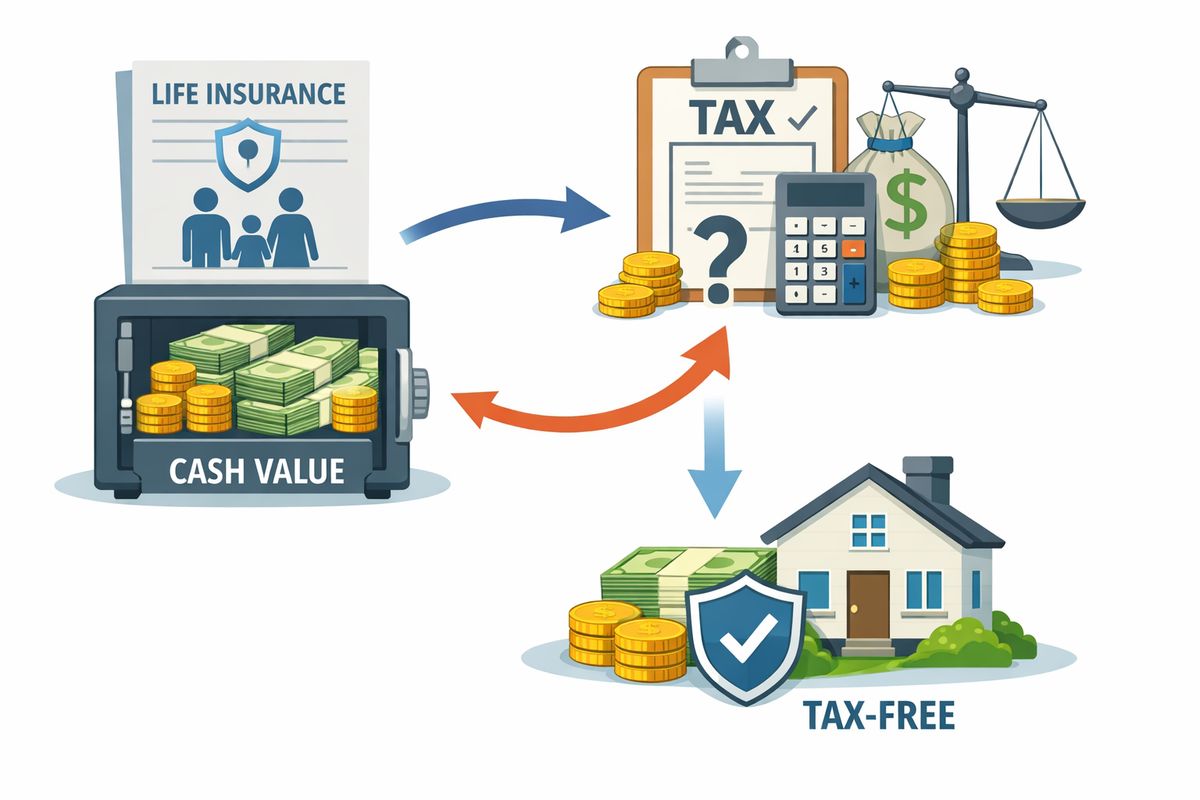
- You typically will not pay taxes on gains in the cash value until you withdraw them.
- Borrowing against your policy is often tax-free, as long as the policy remains active.
- This approach may help you manage taxes more effectively than tapping other taxable accounts.
Greater liquidity for unexpected costs
- Life can bring surprises, from medical bills to sudden home repairs.
- Cash value policies allow you to borrow funds quickly without dipping into your personal savings.
- By tapping the policy instead of other assets, you may avoid early withdrawal penalties in certain cases.
Steady growth potential
- Depending on your policy type, your cash value may earn a fixed interest rate or be tied to market indexes.
- With steady growth, you gain an additional layer of long-term financial stability.
- Although returns may not match higher-risk investments, the more predictable accumulation can strengthen your overall portfolio.
Assess the considerations and risks
Before committing to any life insurance product, you should understand the potential drawbacks. Fees, surrender charges, and the possibility of policy lapses all play a role in your final decision.
Costs, fees, and policy complexities
- Premiums for permanent life insurance are generally higher than for term policies.
- Administrative fees and surrender charges can reduce the amount available in your cash value.
- Some policies come with intricate features or options that may require professional guidance to navigate.
Keeping an eye on policy performance
- If your policy is tied to market performance, your returns may fluctuate.
- Failing to make timely premium payments could cause your policy to lapse, affecting both coverage and cash value.
- Regular reviews of your policy’s growth and available cash can help ensure your retirement plan stays on track.
Plan your strategy with confidence
While using cash value life insurance for retirement can offer extra security, coordination with your other retirement accounts is essential. Think of it as one piece of your broader financial puzzle.
Consult a professional for guidance
- A financial advisor or insurance broker who understands your specific goals can recommend the right policy type.
- They can also help you balance funding priorities between life insurance premiums and other retirement investments.
- By seeking expert advice, you gain an objective view of how insurance fits into your overall plan.
Review and adjust your plan regularly
- Life circumstances change, which means your retirement strategies may need to evolve too.
- Schedule annual or biannual check-ins to ensure your policy remains aligned with your current financial objectives.
- If your goals shift, be ready to explore options such as adjusting premiums, altering coverage, or reconfiguring your policy structure.
Key takeaways
- Using cash value life insurance for retirement can provide a supplementary income source.
- You gain potential tax advantages, policy loans can be tax-free, and the cash value grows tax-deferred.
- Be aware of the associated fees, complexities, and need for consistent premium payments.
- Partner with a trusted advisor to confirm that a cash value policy complements your broader retirement plan.
As you explore ways to build a stronger financial future, remember that cash value life insurance is not just about protecting your loved ones. It can also serve as an accessible, flexible resource to help you meet your retirement goals.
Insurance insights and tips



%20(3).png)